More than 100 Permanente physicians are guiding 9 startups in the 2026 Techstars Healthcare Accelerator to advance practical health care innovation.
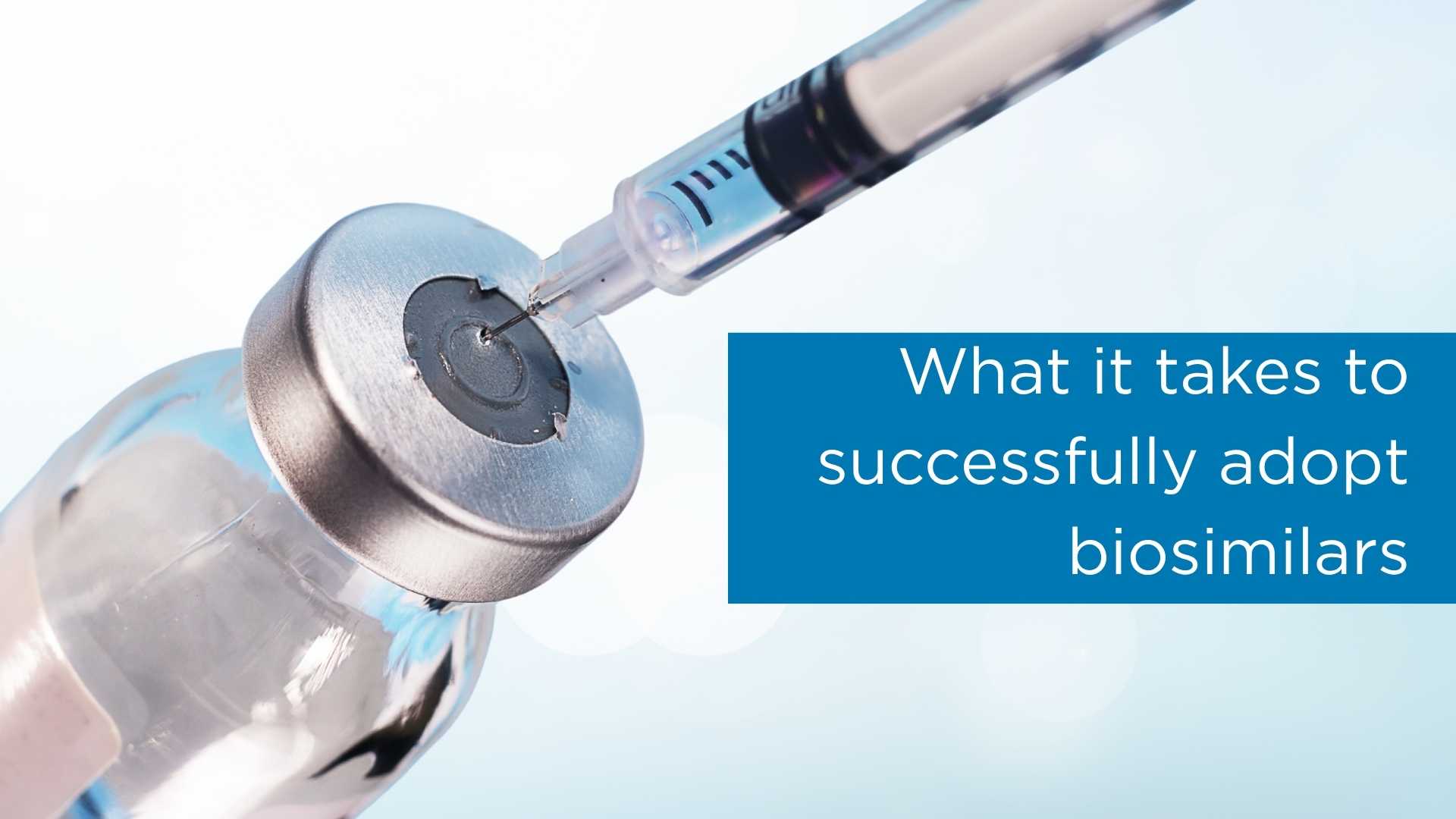
How Permanente Medicine is helping unlock the promise of biosimilars


Biosimilars have saved the U.S. health care system an estimated $50 billion since 2015, but many health care organizations have yet to fully embrace their potential.
At The Permanente Medical Group (TPMG), biosimilars have become a key strategy in delivering high-quality, affordable care. Through a physician-led approach grounded in evidence, education, and collaboration, TPMG has achieved approximately 90% adoption among eligible patients for some of the nation’s most widely used biologic medicines.
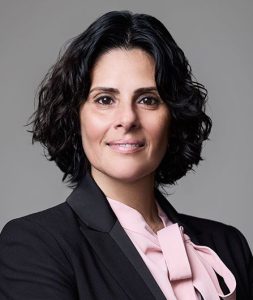
Speaking with PharmaBoardroom, Maisha Draves, MD, MPH, associate executive director of TPMG, shared how the medical group’s experience with biosimilars shows a pathway that health systems can use to expand access, reduce costs, and strengthen patient trust at the same time.
“The original journey of moving from branded to generic products took time and this will too,” said Dr. Draves. “However, as a nation we have a duty to provide affordable, high-value health care to everyone, and biosimilars are a critical part of how we do that.”
Building trust through evidence-based medicine
Rather than treating biosimilars differently from other therapies, TPMG evaluates them using the same evidence-based process that informs all clinical decisions and builds trust with patients. Physicians and pharmacists review clinical trial data, published research, and real-world evidence to determine whether a biosimilar meets the organization’s standards for safety and effectiveness.
Related clinical research story: Study: AI, genetics, and clinical data improve breast cancer risk prediction
That evaluation process is only part of the equation. Dr. Draves shared how TPMG has invested heavily in education across the entire care team — from physicians and nurses to pharmacists, infusion clinic staff, and patient service representatives. Everyone involved receives the information and resources needed to support patients, and clinical guidance is also embedded into the electronic medical record.

Involving specialists directly in the decision-making process builds trust. Each clinical specialty evaluates the evidence for itself, whether in oncology, gastroenterology, or another field. In some cases, TPMG researchers have conducted additional studies to validate outcomes in real-world practice settings.
“Our entire system moving to clinically similar medications, and being able to publish and study that evidence, has reinforced the value of this approach both within the organization and to the community at large,” said Dr. Draves.
By increasing competition among biologic therapies, biosimilars could help lower costs and improve affordability. Within Kaiser Permanente’s integrated, value-based care model, Dr. Draves emphasized that savings can be reinvested into patient care, including screenings, early detection efforts, and other services that improve population health.
What health care organizations should know about using biosimilars
Based on TPMG’s experience, Dr. Draves offered three key lessons for other health systems:
- Involve specialists who prescribe biosimilar therapies in the evaluation of the evidence and guidance of adoption decisions
- Include every member of the care team in the education process because each person plays a role in delivering safe, effective care
- Focus on the medicine itself rather than the brand; this helps clinicians and patients understand that approved biosimilars have no clinically meaningful differences from their reference products
While biosimilar adoption in the U.S. still trails many other countries, Dr. Draves sees significant opportunity ahead. Continued education, greater pricing transparency, and reduced barriers to market entry could accelerate access to these therapies and help more patients benefit from lower-cost treatment options.
As health systems nationwide look for ways to deliver greater value, TPMG’s experience shows how thoughtful innovation can benefit patients, clinicians, and communities alike.
Read the full PharmaBoardroom Q&A here.
Related Posts