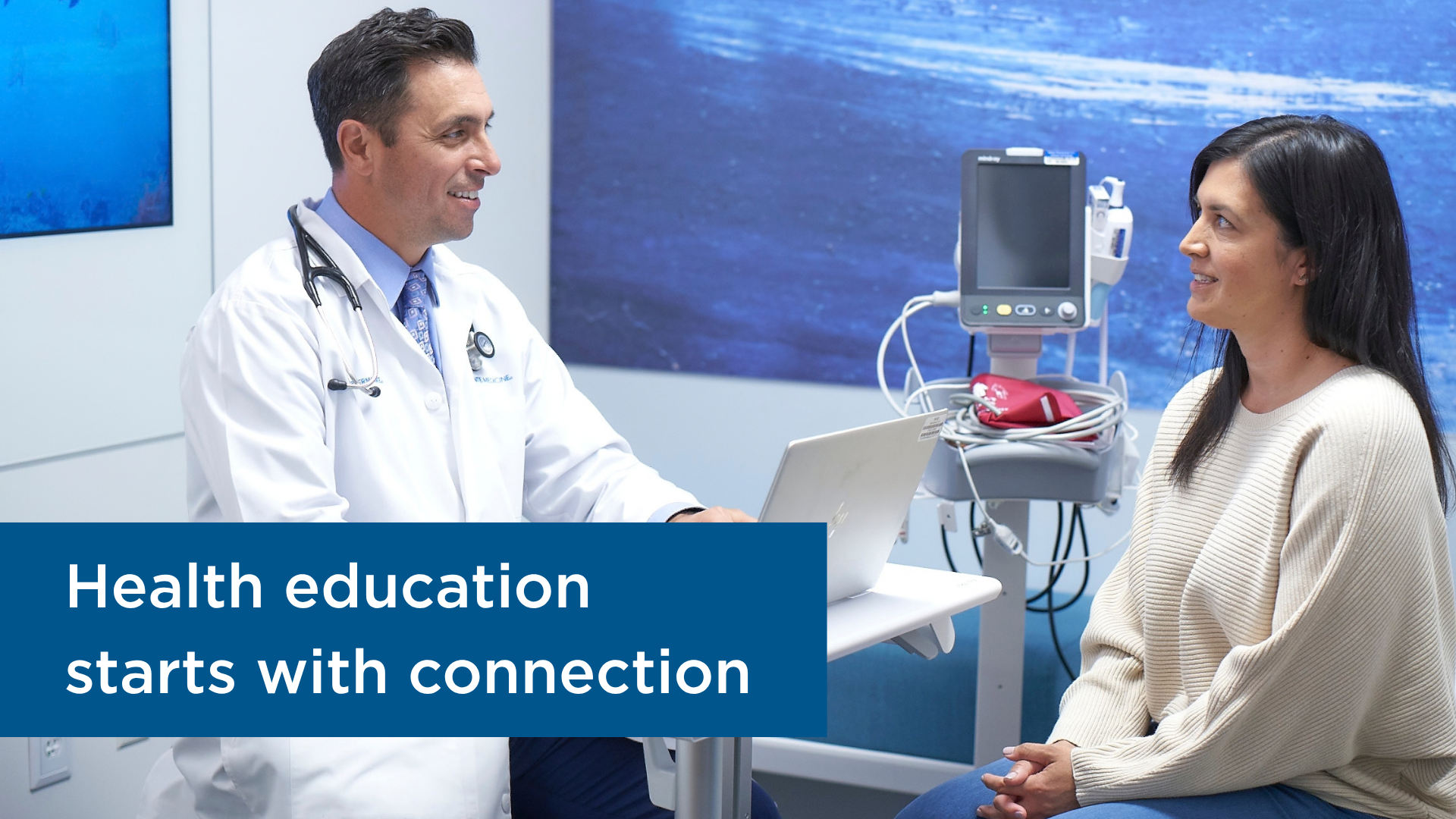
Ray Nanda, MD, shares his perspective on the difference health education can make in the lives of patients.

GLP-1s are powerful weight loss tools, but they’re only part of the plan


Sean Hashmi, MD
For decades, my obesity medicine colleagues and I had limited clinical options to address weight loss beyond intensive lifestyle counseling or invasive surgeries. Then, glucagon-like peptide-1 agonists, more well known as GLP-1s, entered the picture, changing the conversation almost overnight.
By elongating patients’ sense of fullness, curbing food cravings, and quieting intrusive thoughts known as “food noise,” GLP-1s have become an indispensable tool in obesity medicine. But ultimately, GLP-1s are just that — tools that patients and physicians can use as part of a more holistic approach to weight loss. Long-term success depends not on any one drug, but on the totality of care options provided. This means addressing lifestyle factors like nutrition, exercise, mental health, and social habits. It also means helping patients understand how medications can support weight loss if they choose to use them.
Related GLP-1 podcast: Prescribing GLP-1s: Evidence, limits, expectations
While it is ideal for all physicians to adopt a holistic approach in supporting patients with weight loss, this practice is not consistently implemented. However, value-based care systems such as Kaiser Permanente’s encourage and facilitate sustained holistic support over the long term.
GLP-1s are a treatment, not the cure
There’s a good reason to not solely rely on GLP-1s for weight loss. Studies show that more than half of patients who discontinue GLP-1 treatment regain at least some of the lost weight within a year, as hunger, cravings, and “food noise” return and drive them back to unhealthy habits. Patients often have to learn to ignore a deeply ingrained, emotionally driven urge to eat as a reward for a job well done or to self-soothe after a difficult day — something no drug can accomplish without indefinite use.
Side effects are a concern, as with any other treatment. While the safety profile of GLP-1s is well-established in the treatment of diabetes, their use for weight loss is newer. We continue to study their long-term effects; for example, we know GLP-1s can increase the risk of gastrointestinal complications and pancreatitis. These are serious complications that every physician and patient must consider when beginning GLP-1 medications.
For most appropriately selected patients, the benefits outweigh the risks. But thoughtful prescribing requires honest conversations. Physicians must evaluate the whole patient: medical history, risk factors, readiness for change, and long-term goals. That holistic approach requires tools, resources, and systemic support.
Lifestyle medicine is the foundation
In my experience, equipping patients with the tools and resources needed to form lasting healthy habits is the best way to ensure successful outcomes. This is where system design becomes critical. In an integrated, value-based care model like Kaiser Permanente’s, success is defined by long-term outcomes, not short-term results. Value-based care models provide the infrastructure, resources, and collaborative teams physicians need to treat obesity as the chronic, multifactorial disease it is.
This is particularly important in weight management, where care plans must address both physical and emotional relationships with food. Think support like nutrition literacy, strength training, proper sleep, stress management, and behavioral strategies.
In other words, without these reinforcements, GLP-1s do the heavy lifting alone. With them, the medication becomes the accelerator.
The future of obesity medicine is patient-centered and integrated
To optimize success, patient support must extend beyond the physician’s office. Maintaining a healthy lifestyle in the modern world, particularly through nutrition, is not necessarily an inherent or obvious skill everyone possesses. We all have different literacy levels, budgets, ability to prepare food, work schedules, family life, and hundreds of other variables that shape our diets. In-person health education classes are offered to all Kaiser Permanente members — including those using GLP-1 medications — to teach healthy eating, weight loss or management strategies, and more. Classes are available online to ensure patients have access to these resources no matter where they are.
As Permanente physicians, our ultimate goal is to work alongside patients and those who support them, to build a sustainable healthy lifestyle plan to ensure long-term success, regardless of their choice to use GLP-1s. Our health education programs and unique, whole-person approach are critical to achieving it.
There’s no doubt that GLP-1s are transforming obesity medicine. They have expanded what is possible for patients who have struggled for years. But patients need more than just the medication. The most effective, sustainable treatment remains a healthy lifestyle supported by education, behavioral change, and medical oversight. Integrating the two is what helps maximize success.
That is how we move from short-term weight loss to long-term health.
Sean Hashmi, MD, is the regional medical director of Lifestyle & Obesity Medicine for the Southern California Permanente Medical Group, and national chair of the interregional clinical practice group for Lifestyle & Obesity Medicine, The Permanente Federation.
Related Posts