Maisha Draves, MD, MPH, explains the potential of biosimilars in health care to expand access, improve affordability, and create better outcomes.
When home is the best place for care


Hemali Sudhalkar, MD
If you needed surgery and could choose between getting discharged a few hours after your procedure to recover with medical help in your own home, or spending three days in a double-occupancy hospital room receiving traditional post-surgical care, which would you choose?
With Kaiser Permanente’s care at home programs and advances in home care medicine, this is not a hypothetical question for many people. When medically appropriate, an increasing number of patients are choosing to receive advanced level care in the comfort of their home.
As it becomes more available, I predict so many patients will choose to receive their care at home that the hospital of the future will look very different, with a focus on emergency, surgical, and intensive care departments, amongst others.
While this may sound outlandish to people who only have experience with the U.S. health care system, medical professionals around the world have been delivering care in patient homes for decades. When I attended the World Hospital at Home Congress in Vienna earlier this year, experts from the United Kingdom, France, Australia, Singapore, Israel, Germany, and others shared insights that we can learn from as we continue to migrate care into the home.
Why health care at home is transforming the patient experience
Data shows why home-based care is emerging as a patient-centered alternative to traditional hospitalization. In addition to higher patient satisfaction scores and better health outcomes, risk-adjusted readmission rates (observed over expected) in our Northern California Advanced Care at Home Program were lower when compared to brick-and-mortar hospitals (0.79 versus 0.87), according to internal data.
Hospitals can be risky places for some patients, especially those with weakened immune systems and/or multiple comorbidities. Hospital-acquired infections are sometimes antibiotic resistant and can quickly become a more urgent concern than the original problem that led to admission in the first place. Providing care in the home reduces the chance of exposure to harmful pathogens.
In-home care also gives physicians and clinicians a deeper understanding of their patients’ real-world circumstances. They can double-check medication lists for accuracy, assess cleanliness and safety, check for adequate nutrition, and identify social and environmental factors that strongly impact health — insights that they would not know if they were delivering care in a traditional setting.
That’s not to say care at home is without challenges, but we are proactively discovering issues and putting solutions in place. For example, we began educating patients and caregivers about how to reduce the risk of falls, and we trained physicians and clinicians to identify and remedy potential hazards in the home. As a result, we’re now seeing fewer falls among patients at high risk.
Integrating home and hospital expertise
The success of our Advanced Care at Home program relies on the same principles as the rest of Kaiser Permanente. It’s part of our highly integrated system in which primary care plays a critical role in prevention, care coordination, and patient-centered decision-making. When a patient is discharged, they are seamlessly routed back to their primary care physician for any post-acute care needs, like physical or occupational therapy.
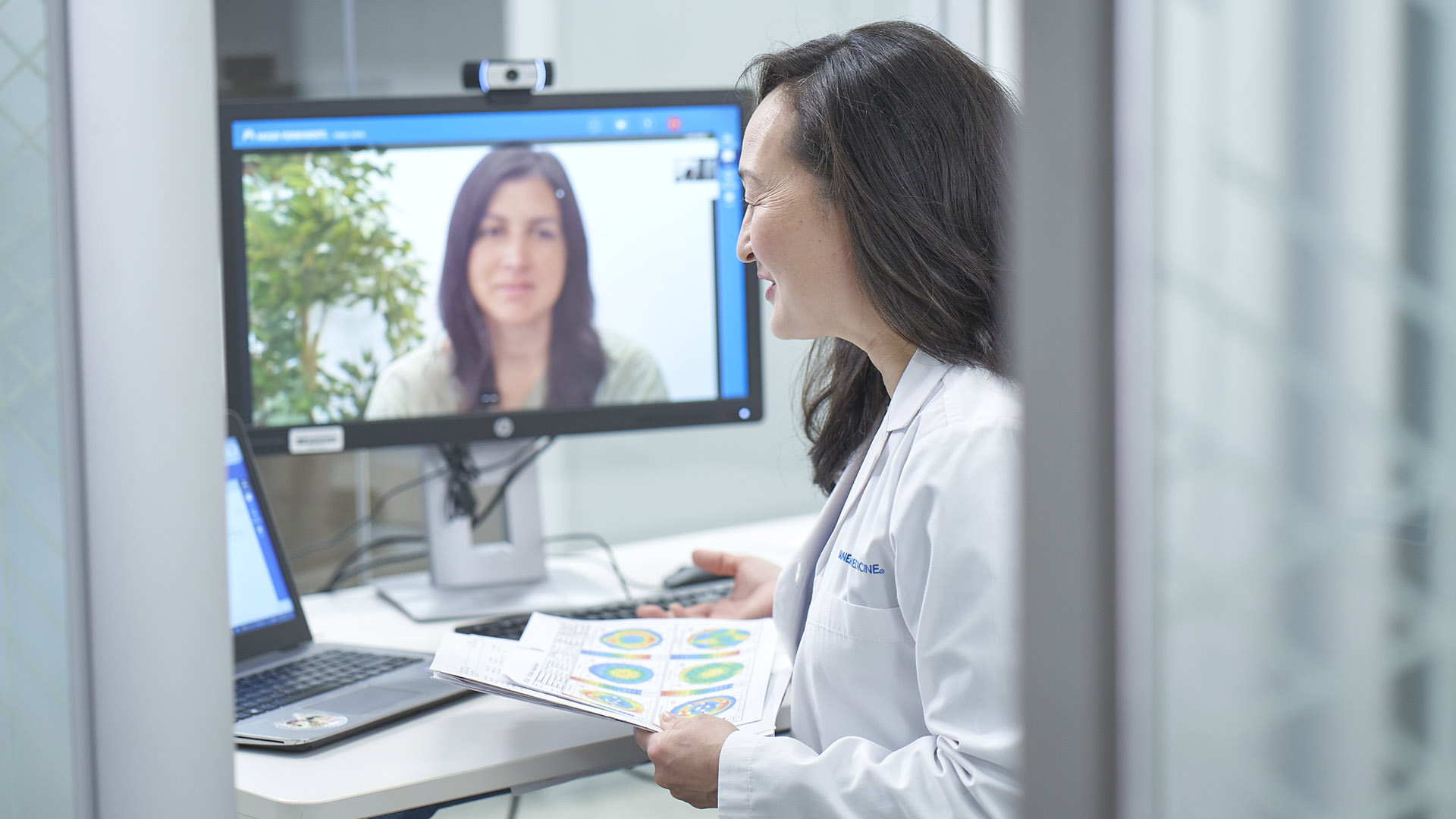
The shift of care from the hospital to the home is not just transformative for patients; it’s also a game changer for physicians. Delivering care at a hospital bedside is different from delivering care virtually. To support this transition, we are creating a community of doctors who provide home care, creating a space where physicians can ask their peers questions, easily arrange consultations, and get the same level of support from their colleagues as other physicians. Convenings of groups like the American Academy of Home Care Medicine helps me learn from other physicians who provide care in the home.
Between the outcomes and satisfaction data, there is high demand to continue expanding the availability of advanced care at home in the United States. The next step will be for other health care delivery systems to develop and build these programs at scale. While it takes significant investment and commitment from leadership, our experience illustrates that the results are well worth the effort. If policy incentives and financial feasibility continue to align with the evidence, advanced care at home could offer a safer, more efficient and truly patient-centered option for care.
Hemali Sudhalkar, MD, MPH, SFHM, is the national medical director of Strategy for Kaiser Permanente Care at Home.
Related Posts