As Americans live longer, physicians across specialties must be prepared to deliver age-friendly care that honors older adults’ goals, dignity, and independence.
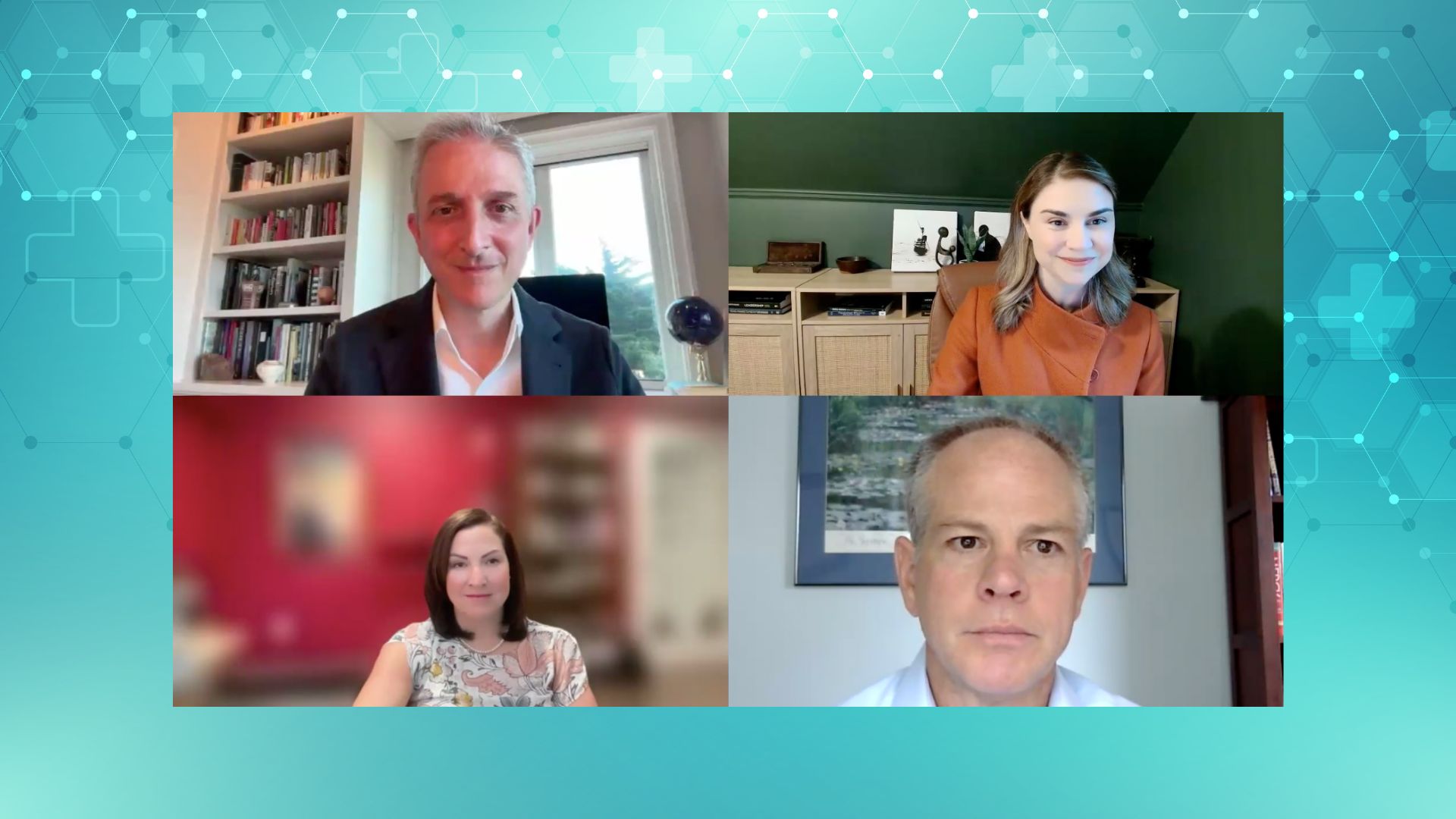
Dr. Parodi on how recent policy changes impact Medicaid


More than 70 million Americans are insured through Medicaid, accounting for nearly 20% of U.S. health care spending. The nonpartisan Congressional Budget Office (CBO) projects that 10 to 14 million will lose their health insurance coverage over the next decade due to new eligibility requirements and funding cuts to Medicaid and other federal health programs in H.R.1, the recently-passed reconciliation legislation.
This was the challenging backdrop for health care leaders who explored the bill’s immediate and long-term impacts during a recent Reuters’ virtual panel. Stephen Parodi, MD, executive vice president, External Affairs, Communications and Brand for The Permanente Federation, represented Kaiser Permanente.
The panel discussed the key policy changes expected to affect their organizations, such as expiring ACA enhanced premium tax credits and new work requirements that might create administrative costs for states and complicate access to care for current Medicaid patients.
Maintaining access to care
Dr. Parodi highlighted the need for health care organizations to ensure continuity of coverage for patients. He also noted how Kaiser Permanente’s integrated, value-based model allows it to bring together clinical, operational, benefits, actuarial, and government relations teams to understand the impact on patient coverage.
“Immediately top of mind, of course, is access to care when it comes to patients, and so it literally is an all-hands-on-deck type of moment,” said Dr. Parodi, who added that Kaiser Permanente currently serves 1.2 million Medicaid recipients.
Related value-based care podcast: What’s next for value-based care
Dr. Parodi stressed connecting with state partners to understand upcoming budget hits and ensure that the states have the correct systems in place to support Medicaid beneficiaries who will now need to demonstrate that they are working, in school or training, or serving as a caregiver. This approach aims to help patients navigate the complex new administrative landscape, noting that in states that have previously created work requirements, many people lost coverage because of paperwork problems, not their eligibility.
Speaking about the progress made in the last 15 years to expand coverage and prevent illness, Dr. Parodi said, “We’ve made tremendous investments in preventive services and preventive care screening. It would be a tragedy, quite honestly, to lose those benefits and those investments that we’ve made in those people and those patients.”
Preparing for what’s next
New rules also reduce the federal dollars states can draw in matching funds from provider taxes, which many states have used to fund Medicaid and expand benefits. Multiple panelists raised this issue as one of the biggest policy challenges for the future of health care. The CBO also estimates the provider tax changes alone will reduce federal Medicaid spending by $191 billion over 10 years and increase the number of uninsured by more than 1 million by 2034.
“Depending on where a given state was and what level they’re at in terms of percentage and how much they’re going to have to ramp down, that is something that is going to have to be accounted for over time,” said Dr. Parodi.
Given the complexity of the policy changes, Dr. Parodi also emphasized the need for providers to create clear communications for patients, clinicians, and administrative staff. And while the landscape ahead will present many access challenges, he added that organizations and health care leaders looking to partner with others have the benefit of time before full implementation.
Dr. Parodi reiterated how Kaiser Permanente is committed to working through the uncertainty.
“Where I have optimism is that, when we’ve gone and talked to our teams — whether they’re clinical or administrative in nature — I am struck by the commitment and really mission-driven activity to saying, ‘Okay, let’s find solutions,’” said Dr. Parodi.
Register to watch a recording of the full virtual event here.
Related Posts